What are Hybrid Cars?
It all started in the 19th century with an idea; to build a car that operates on both fuel and electricity. It was rather complicated to create a self-operating engine, however, so the idea did not see the light.
Towards the end of the 20th century, change was evident as our environments evolved, and Toyota trailblazed developing the idea of a dual engine car. The Toyota Prius was released in 1997, and it was Toyota's first hybrid vehicle ever.
Hybrid technology hinges on using electricity besides fuel to power the vehicle, where the needed energy is generated by the car's movement or braking. Toyota runs avid research and development on its hybrid engines, aiming to introduce an integrated driving experience through more advanced features, more efficient fuel consumption and better safety specifications for its vehicles.
 Efficient Fuel ConsumptionAs the self-charging batteries recharge while the car is in motion, fuel consumption substantially decreases by up to 30%, and driving and money-saving experiences are furthered.
 Lower Maintenance CostsDelicate car parts are used less frequently Since the fuel engine is not always in use, the car depends mainly on electric and brake power, and delicate car parts are used less frequently. This results in lower maintenance frequency and, in turn, costs.
 More Environmentally FriendlyOne of the main objectives behind hybrid cars is preserving the environment. Using electrical power vastly diminishes harmful emissions of gases and carbon dioxide from ordinary fuels in traditional vehicles.
 Better Vehicle AccelerationElectrically powered cars give better acceleration than traditional ones that depend solely on fuel. All you need to do is activate the engine and enjoy an unparalleled driving experience.More MileageMileage on hybrid cars is incomparable, especially with traditional fuel engines. The advanced technology used in hybrids further driving distances by up to 25% on the same amount of fuel.A Multitude of FeaturesHybrid cars offer a myriad of advanced features, all with the aim to provide a more comfortable and enjoyable driving experience.Advanced Safety FeaturesSafety is at the forefront of the hybrid car technology. Hybrids boast cruise control and airbags as well as the highest levels of safety in the Hybrid electric system.It's QuietImagine driving noiselessly. Hybrid cars make 50% less noise than their traditional counterparts.
Hybrid Extra Care Program
In addition to your vehicle being covered by the manufacture warranty by (Toyota) for 3 -years or 100,000 kilometers, (whichever comes first), your vehicle also comes with a complimentary “Hybrid Extra Care Program” offer provided by “Abdul Latif Jameel” separately, which will start after the expiration of the manufacture warranty (refer hereafter as “The Program”) as follows:
- It will covers your Toyota Hybrid vehicle from any included mechanical & electrical manufacture defects for 2 years or 60,000 kilometers (whichever comes first).
- Exceptionally, the Hybrid Battery will be covered* separately for up to 5 years or 60,000 kilometers (whichever comes first).
Your Questions, Answered
Are Hybrid Electrical Vehicle "HEV" reliable?
Yes. Toyota Hybrid Electrical Vehicle "HEV" offer the same level of quality as conventional vehicles.
Hybrid Electrical Vehicle "HEV" batteries have a long lifespan, and Toyota has sold over 11 million Hybrid Electrical Vehicle "HEV" worldwide. Prius (3rd gen.) was voted the UK's "Most reliable small family car" in 2017.
Do Hybrid Electrical Vehicle "HEV" require any special care to run, such as charging via a power outlet?
Simply put, no. The Toyota Hybrid Electrical Vehicle "HEV" system charges the battery in two ways: the gasoline engine drives the generator to charge the battery and regenerative braking recovers braking energy usually lost in conventional vehicles.
Do I have to drive differently in a Hybrid Electrical Vehicle "HEV"?
No. You can drive Hybrid Electrical Vehicle "HEV" just like a conventional vehicle.
Specialized operations, such as switching between the gasoline engine and electric motor, are all fully automated. Toyota's hybrid system automatically optimizes operation and minimizes fuel consumption.
Do Hybrid Electrical Vehicle "HEV" generate large amounts of electromagnetic waves?
Hybrid Electrical Vehicle "HEV" components are designed to shield electromagnetic waves, and emit approximately the same amount as conventional vehicles or electronic household appliances.
High-voltage parts and cables on hybrid vehicles incorporate electromagnetic shielding.
Are there any situations in which the engine does not stop?
The gasoline engine starts and stops automatically. However, it may not stop in certain conditions, such as when the Hybrid Electrical Vehicle "HEV" battery is charging while parked.
The system uses both braking mechanisms to ensure maximum energy recovery without sacrificing smooth, exceptional braking performance in any driving situation
Does regenerative braking affect brake feel and performance?
Both hydraulic and regenerative braking are optimally controlled to ensure smooth feel and exceptional performance.
Are Hybrid Electrical Vehicle "HEV" able to perform engine braking?
For general driving, the Hybrid Electrical Vehicle "HEV" motor fills the role of an engine brake as it performs regenerative braking.
However, when shift position B is selected, releasing the accelerator will apply engine braking.
What is the whirring sound heard during deceleration?
This is due to regenerative braking when the brake pedal is depressed or as the accelerator pedal is released.
Specifically, the whirring is the sound of the energy from braking being converted into electricity.
What is the high-pitched sound that can be heard during initial acceleration?
When accelerating from a standstill, the motor alone powers the vehicle. The sound is from the motor's Power Control Unit, which is masked by the sound of the engine during normal driving.
Specifically, the whirring is the sound of the energy from braking being converted into electricity.
Why does the warning buzzer sometimes sound when stopped with the shift lever in the N range? Is it a malfunction?
It is not a malfunction. The buzzer and message activate to inform the driver when the charge remaining in the Hybrid Electrical Vehicle "HEV" battery is low. When stopped for long periods of time with the shift lever in the N range the Hybrid Electrical Vehicle "HEV" battery cannot be charged.
Why do Hybrid Electrical Vehicle "HEV" seem to move slightly when starting the engine?
This feeling comes from the momentum of the engine starting. While it may feel as though it is moving ahead slightly, it does not actually move forward.
Why are hybrid vehicles (HV) getting so much attention?
In response to the growing concern for the environment, a number of “eco-cars” have been developed. However, as HV’s do not require specialized equipment, such as charging points, they have quickly gained in popularity.
Do Hybrid batteries need to be charged?
External charging is not required. Hybrid vehicles automatically detect the battery level and charge it when required.
When is the gasoline engine assisted by the electric motor?
Gasoline engine power is supplemented by the electric motor when required, such as when under acceleration or driving uphill.
Is it possible to utilize the electric motor only in reverse mode?
The electric motor is actually generally utilized in reverse mode. The gasoline engine however is sometimes used for saving electricity power.
It’s an HV, so why is the mid-range acceleration so good?
The strong mid-range acceleration is due to the instant torque properties of the electric motor. As such, Toyota hybrid vehicles achieve both acceleration response and fuel economy.
I’ve heard that HV brakes differ from those in conventional vehicles. Is this true?
Yes, it is. Conventional vehicles are fitted with hydraulic brakes, while HVs adopt Hydraulic brakes alongside unique regenerative brakes. In HVs, hydraulic brakes, regenerative brakes work together to slow, and stop the vehicle while also recharging the hybrid battery.
Do you need any specialized knowledge to perform general maintenance?
No specialized knowledge of hybrid system is required to perform general maintenance for HVs. Everyday maintenance, such as putting air in the tires and checking the engine oil, is the same as a conventional vehicle.
Do HVs generate lots of electromagnetic waves?
Hybrid components specially designed to contains these waves. As a result, the electromagnetic waves emitted from HVs are low in strength-even when compared to those of conventional vehicles and electronic consumer products.
Are there any specialized driving techniques required for HVs?
No, specialized driving techniques or technical expertise are not required. You can drive HVs just like a regular car. Specialized operations, such as switching between the gasoline engine and electric motor, are fully automated.
Are HVs able to operate in high heat climates?
Through heat endurance testing has been conducted with all of Toyota’s HVs. The result show they function as well as conventional vehicles in high heat climates.
How likely is an electric shock in an HV?
All high-voltage parts used in HVs are very well protected, preventing direct contact with the vehicle’s body and people. In addition, various safety measures have been implemented, such as cutting off electricity when an impact is detected.
What advice do you have for drivers who want to maximize fuel efficiency?
Avoid any sudden driving just as with conventional vehicles. This means no sudden starts, no sudden acceleration, and no sudden deceleration. It is also important not to accelerate or decelerate unnecessarily.
Toyota Hybrid History
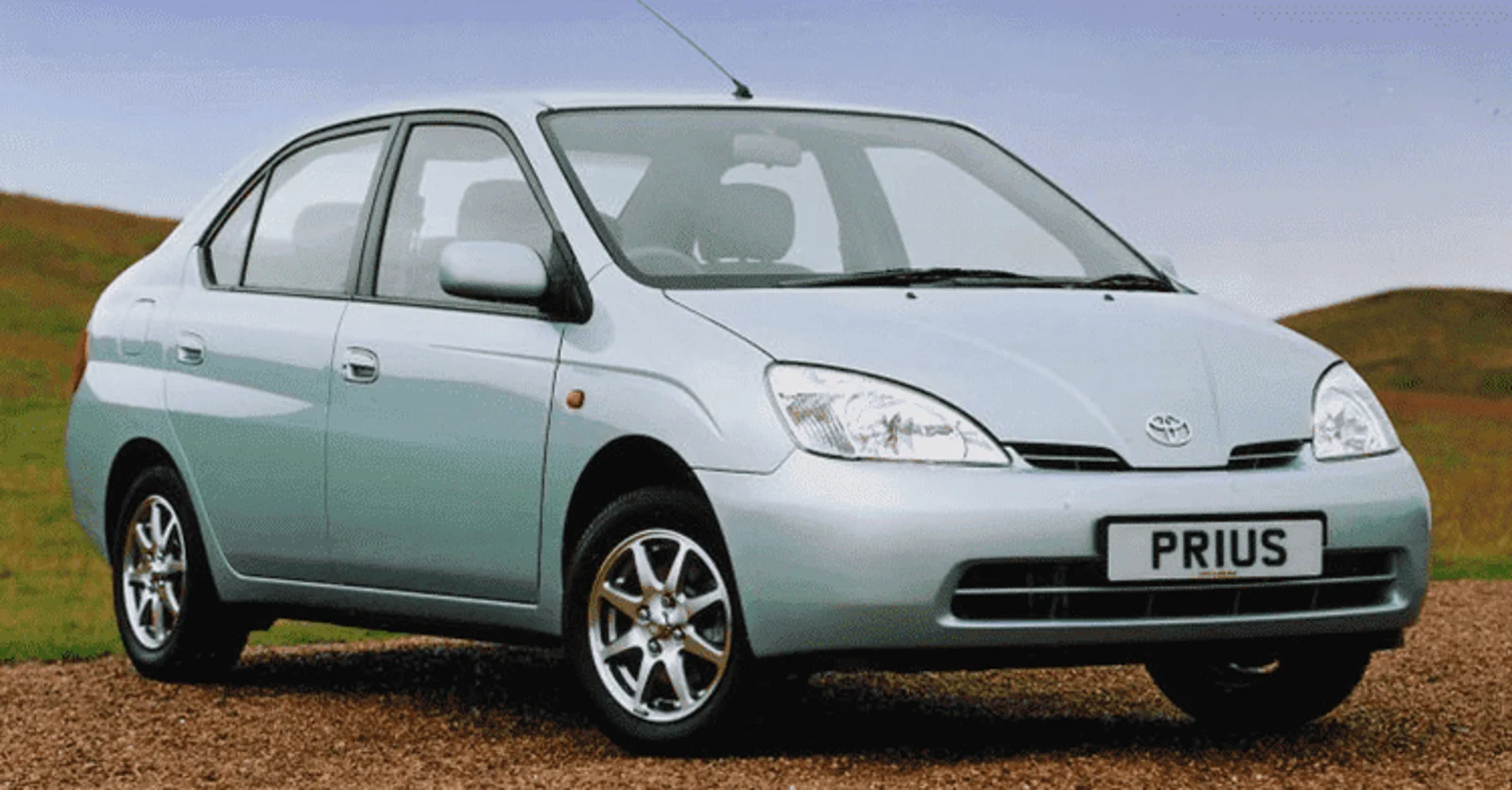
Launch of the hybrid engine
With a capacity of 1.5l, and equipped with a VVT-I engine, the first generation of Prius hybrid was built with an electrical and fuel engine, with the possibility to balance the power of the 2 engines to suit the driving conditions. The system worked as a continuously changeable gearbox. The power was simultaneously spread on the engine, action group, and generator.
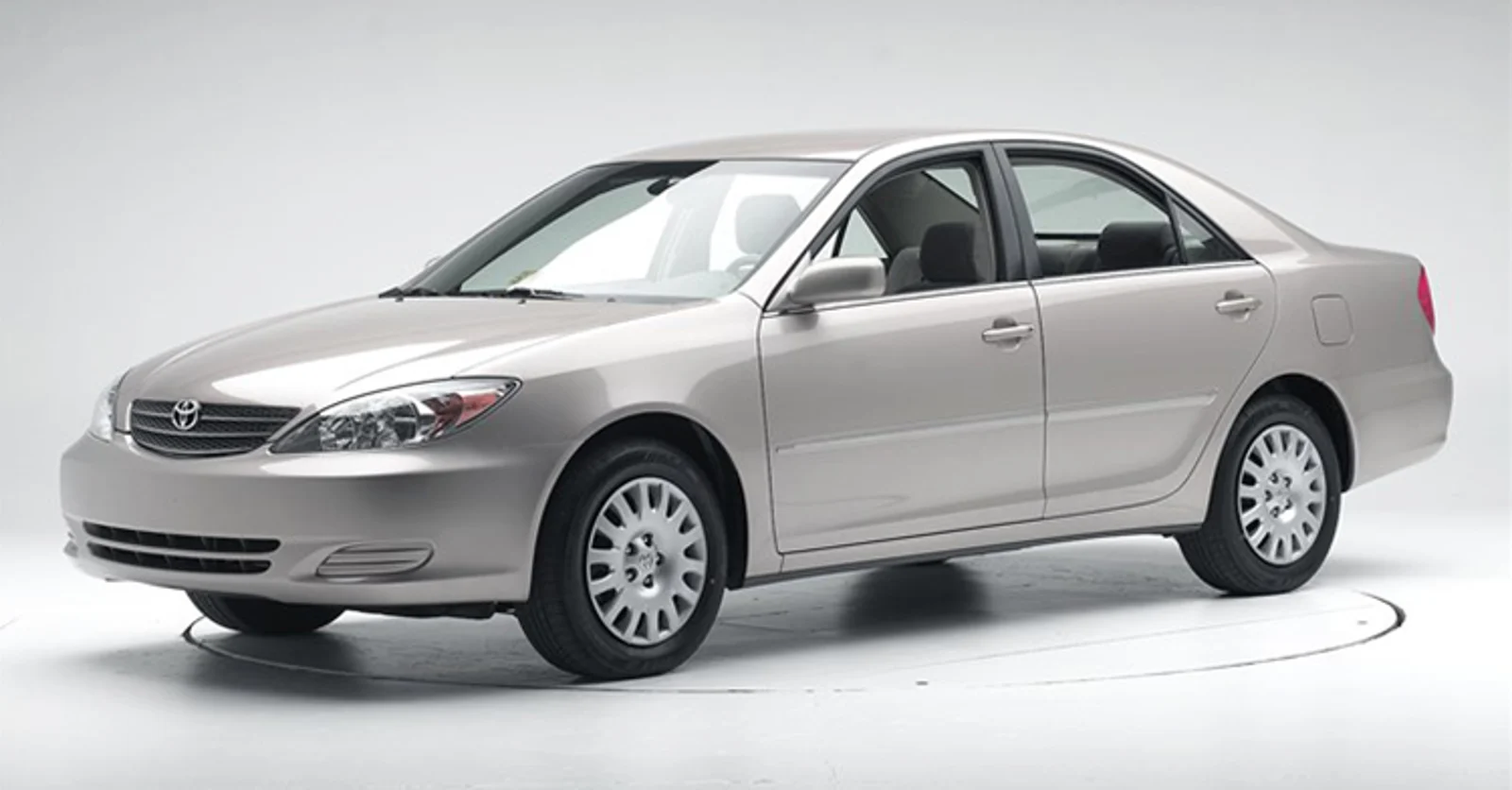
Enhanced second generation
By 2003, the first generation of Prius cars was 6 years old, and it was time for Toyota to launch its successor. The second generation of Prius was launched in the same year, and the hybrid system undertook its first major enhancement, which included an increased engine performance that saw the electrical system produce 50% power more than the first generation.
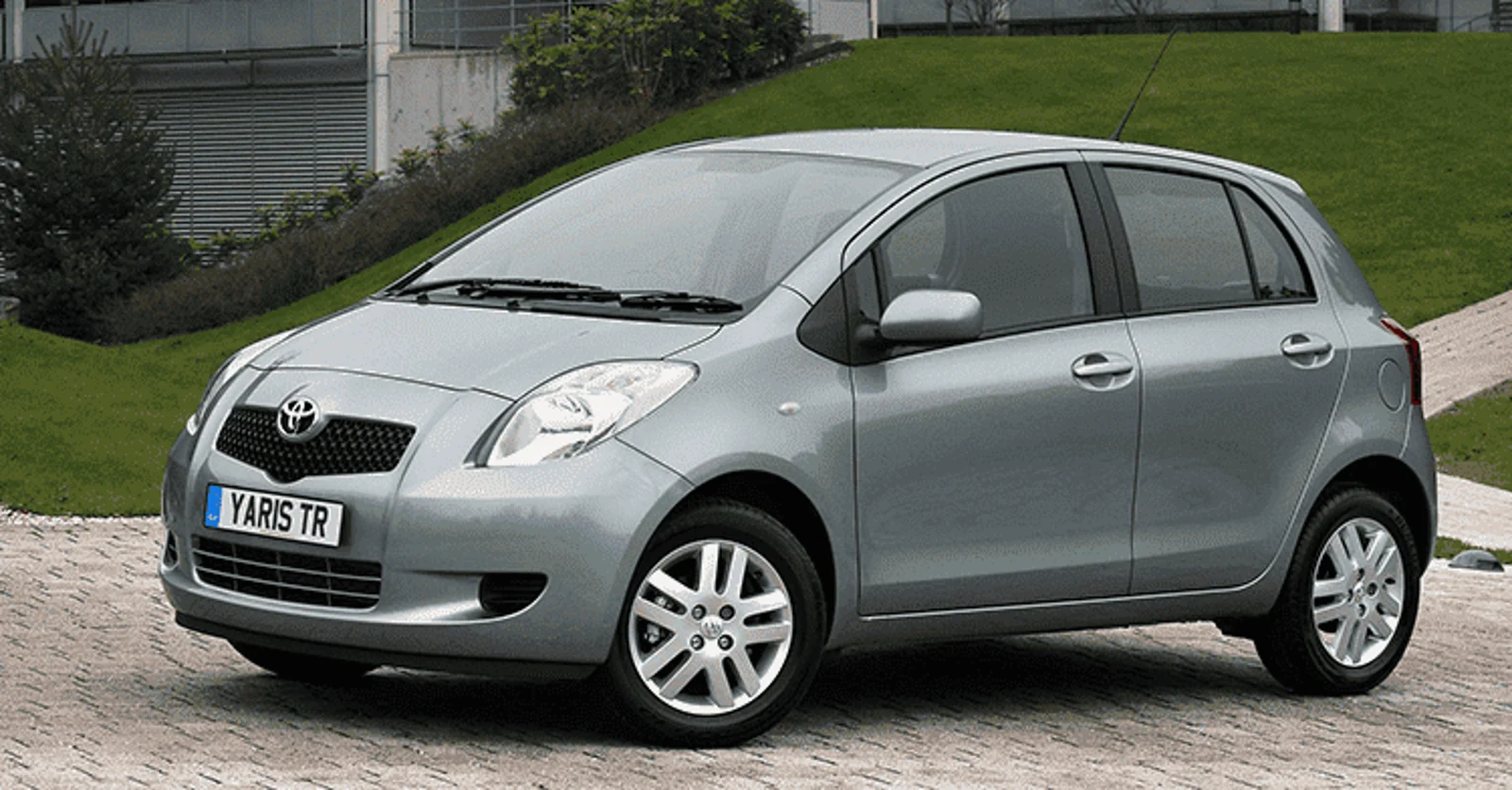
Overcoming sales barriers
In 2007, Toyota hybrid cars achieved a milestone in sales, as over a million vehicles were sold worldwide. Hybrid technology found its way to the higher tier, to fulfil the audience’s need for luxury and adhere to the overall direction set for hybrid vehicles sales.
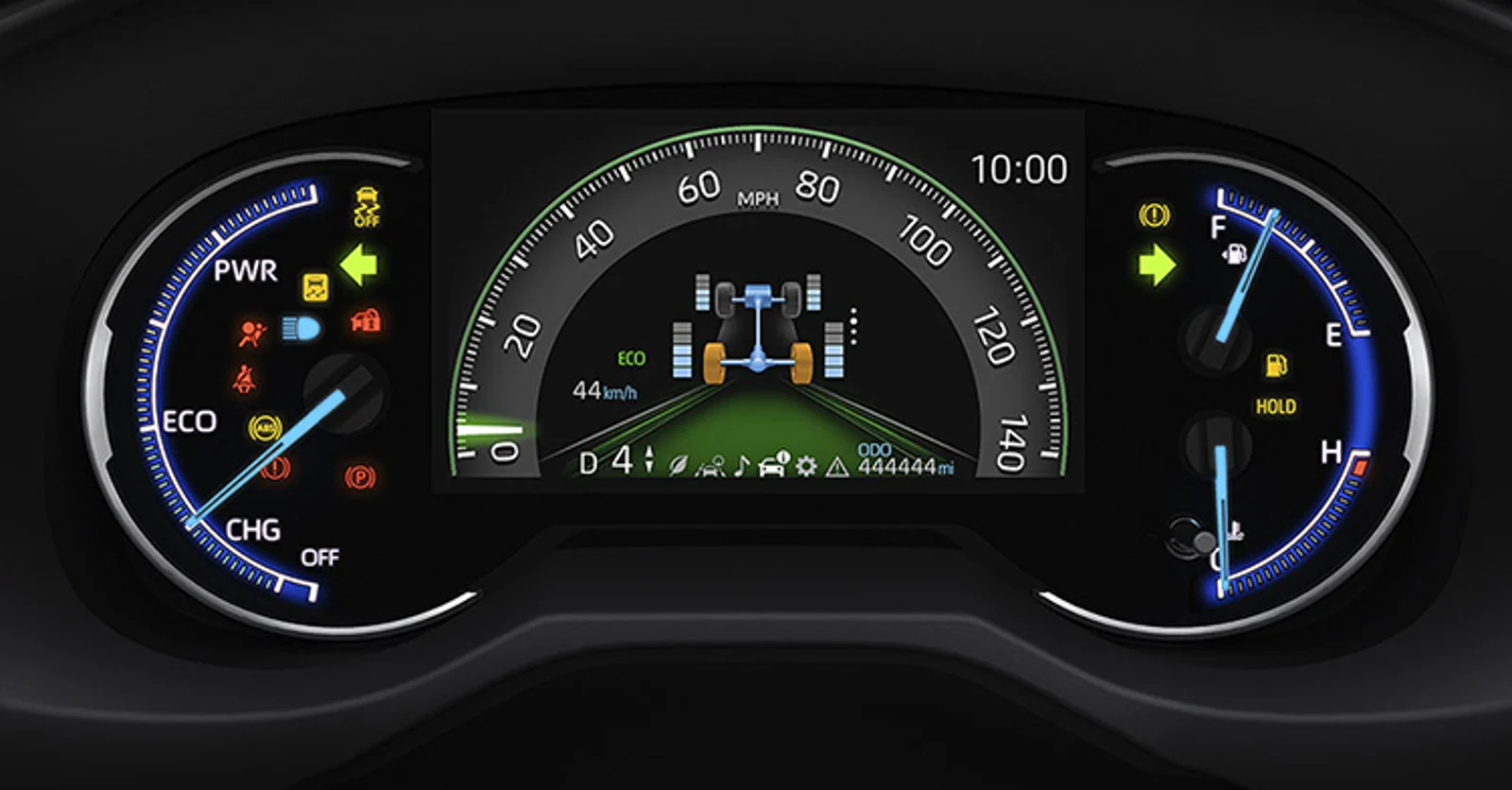
Creative models
Up until 2010, Toyota’s efforts were essentially focused on Prius. However, in the same year, the company launched Oris, a small family car that relies on fuel and electricity like Prius, with a major advantage: its weight, that helps reduce the fuel consumption.
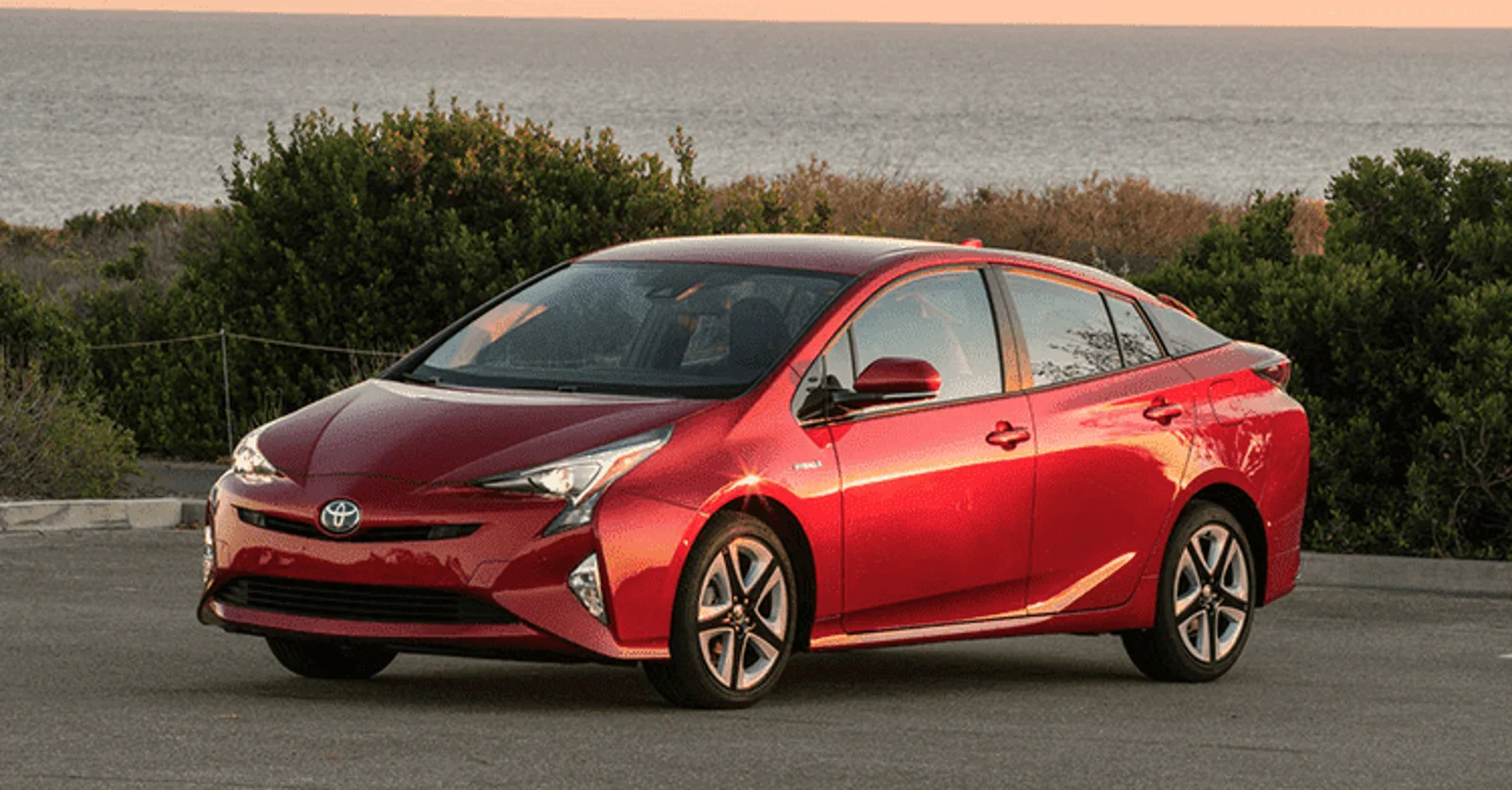
The first hybrid car in the Saudi market (Prius)
Abdul Latif Jameel, the authorized distributor of Toyota cars in the kingdom, officially announced the launch of Toyota "Prius " The first hybrid car in the Saudi market of Toyota.
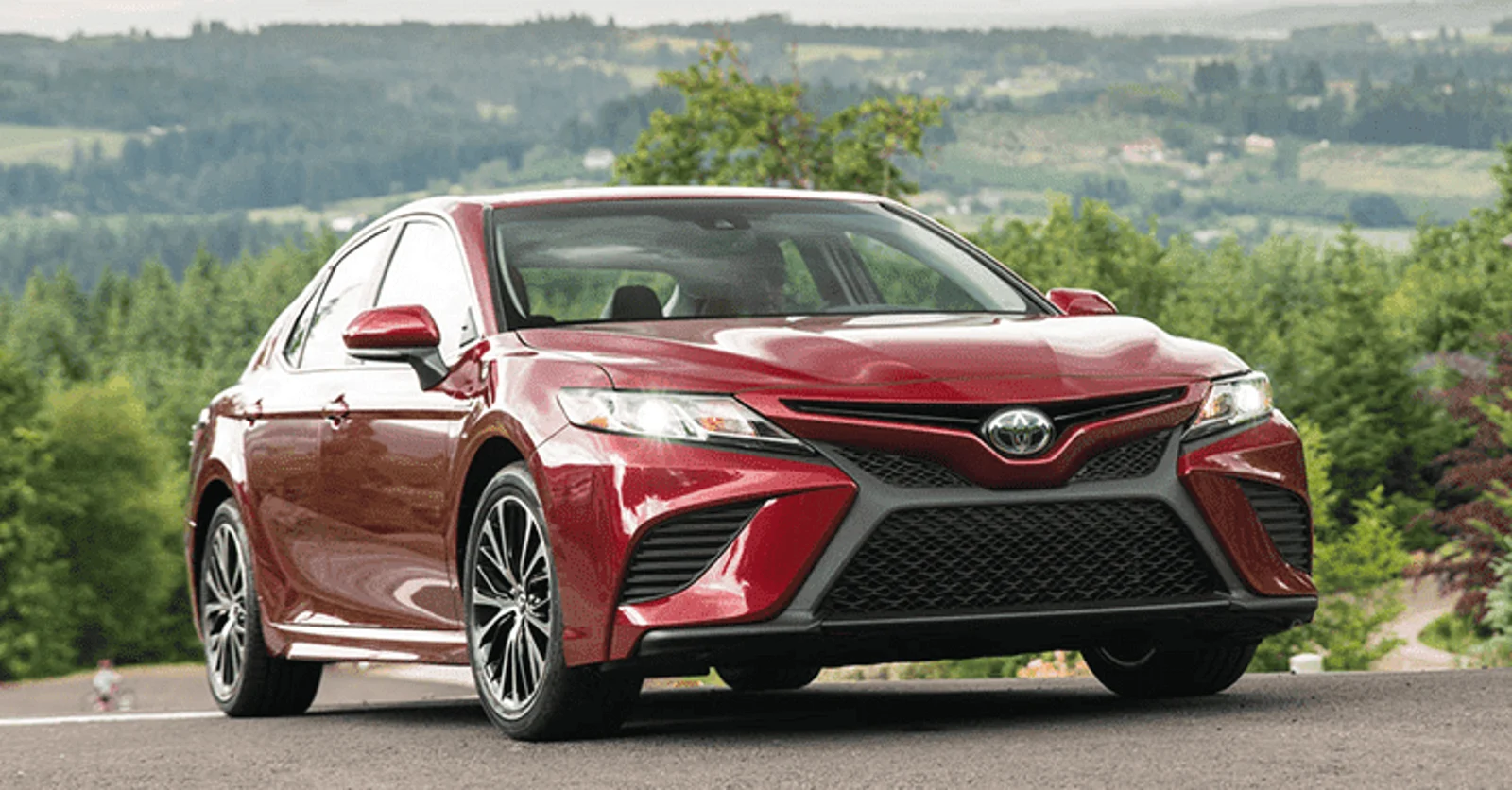
Second Toyota sedan in Saudi market (Camry Hybrid)
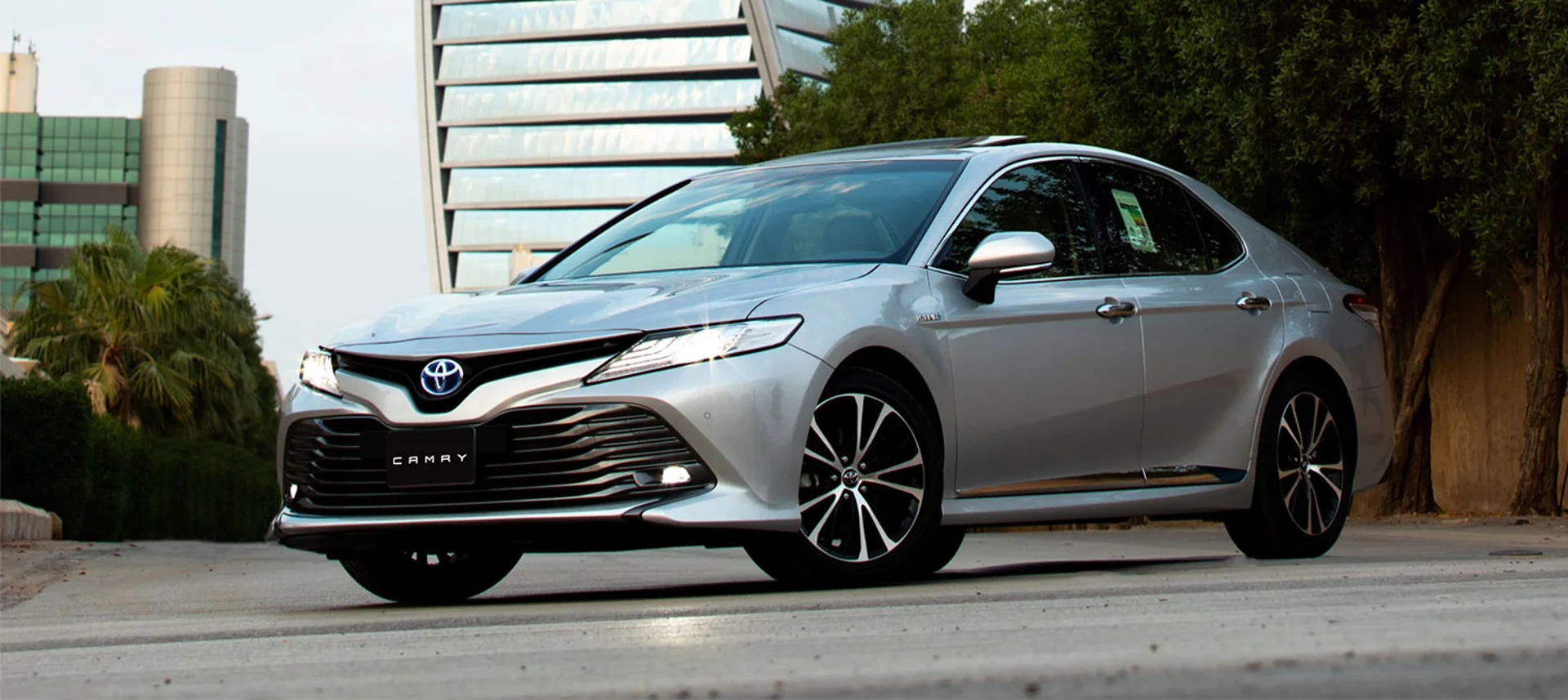
Toyota Camry Hybrid 2018 The first medium-sized sedan in the kingdom is available with a self-loading operating system that combines two energy sources: gasoline and electricity
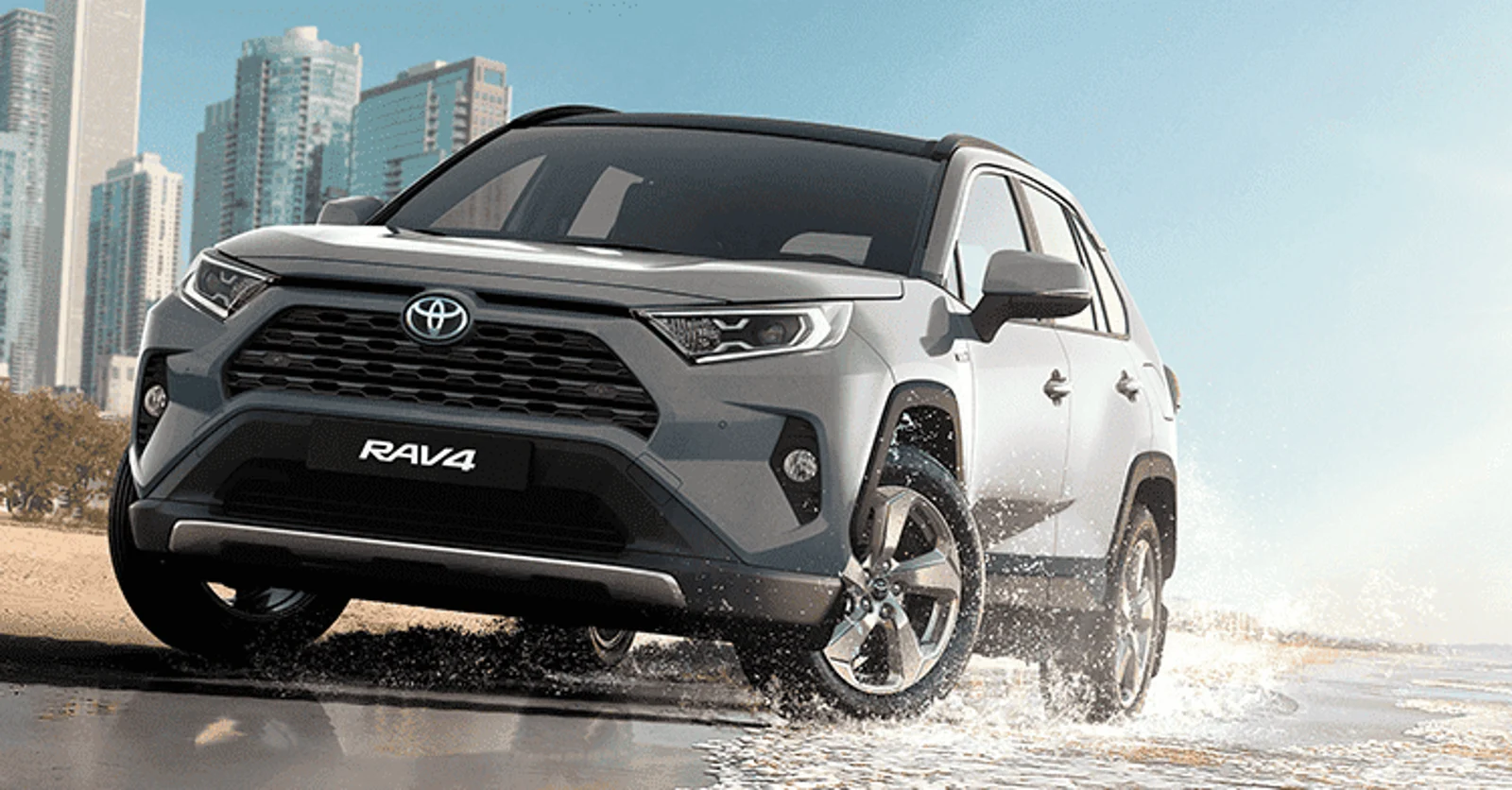
First 4x4 vehicle Rav in Saudi market
In 2019, Toyota launched 3 different models of hybrid cars, that include the all new Prius, Camry with the latest addition that the audience expects, and RAV4, the next family hybrid car. The future of hybrid at Toyota will be focused on creating versions of the existing hybrid vehicles, that will be able to rely solely on electrical power.
Discover hybrid vehicles
Hybrid vehicles collection
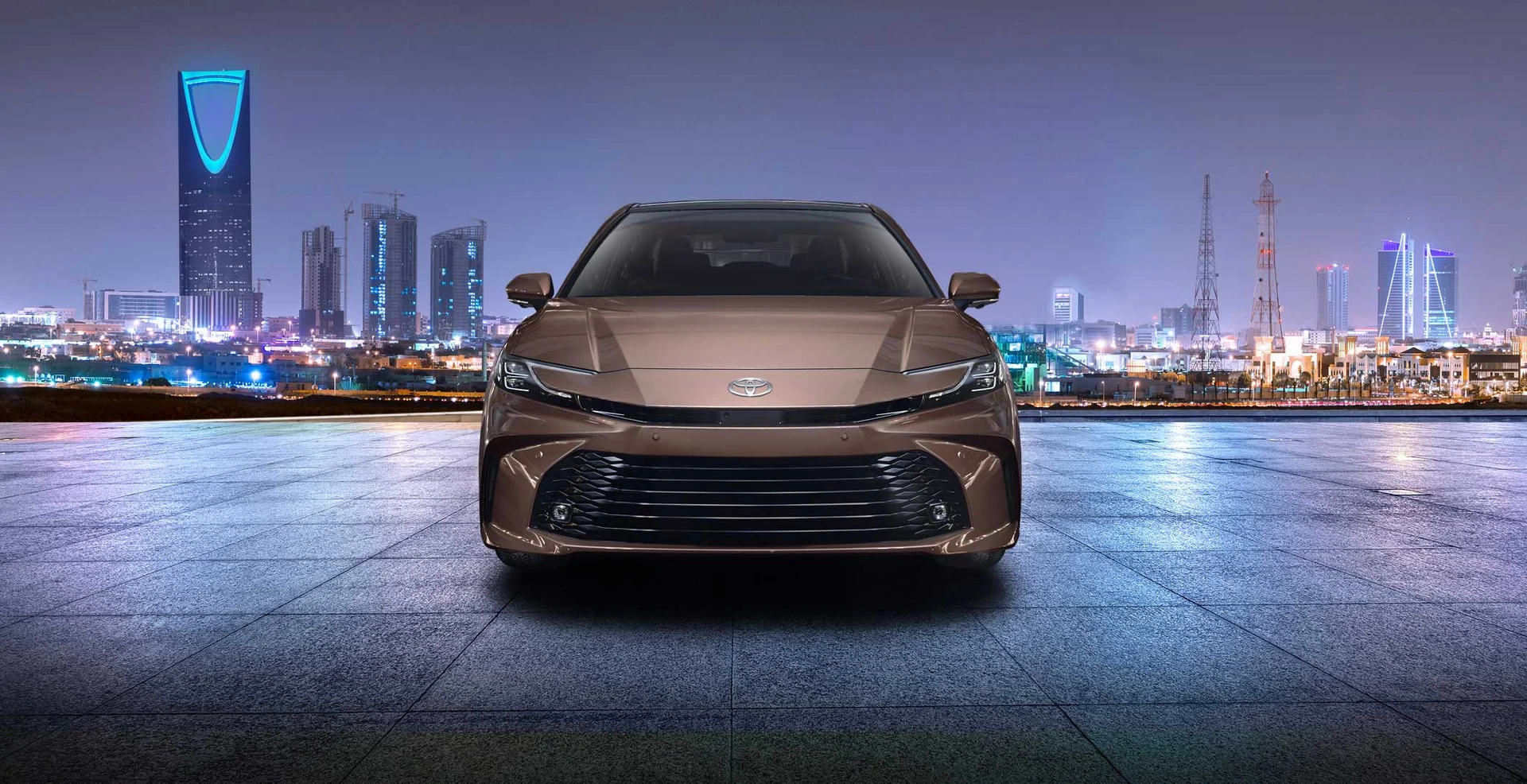
LE HEV
The Camry offers a beautiful, enjoyable, and safe driving experience thanks to its advanced technology. It engages all your senses with an allure that numbers can't capture—it's something you have to see and experience for yourself to truly appreciate the pleasure of driving.
Engine
16 Valve DOHC with Dual VVT-I
Max Output HP
226 HP/6,000 RPM
Max Torque
221 Nm/3,600-5200 RPM
Transmission
Electronic Continuous Variable Transmission (E-CVT)
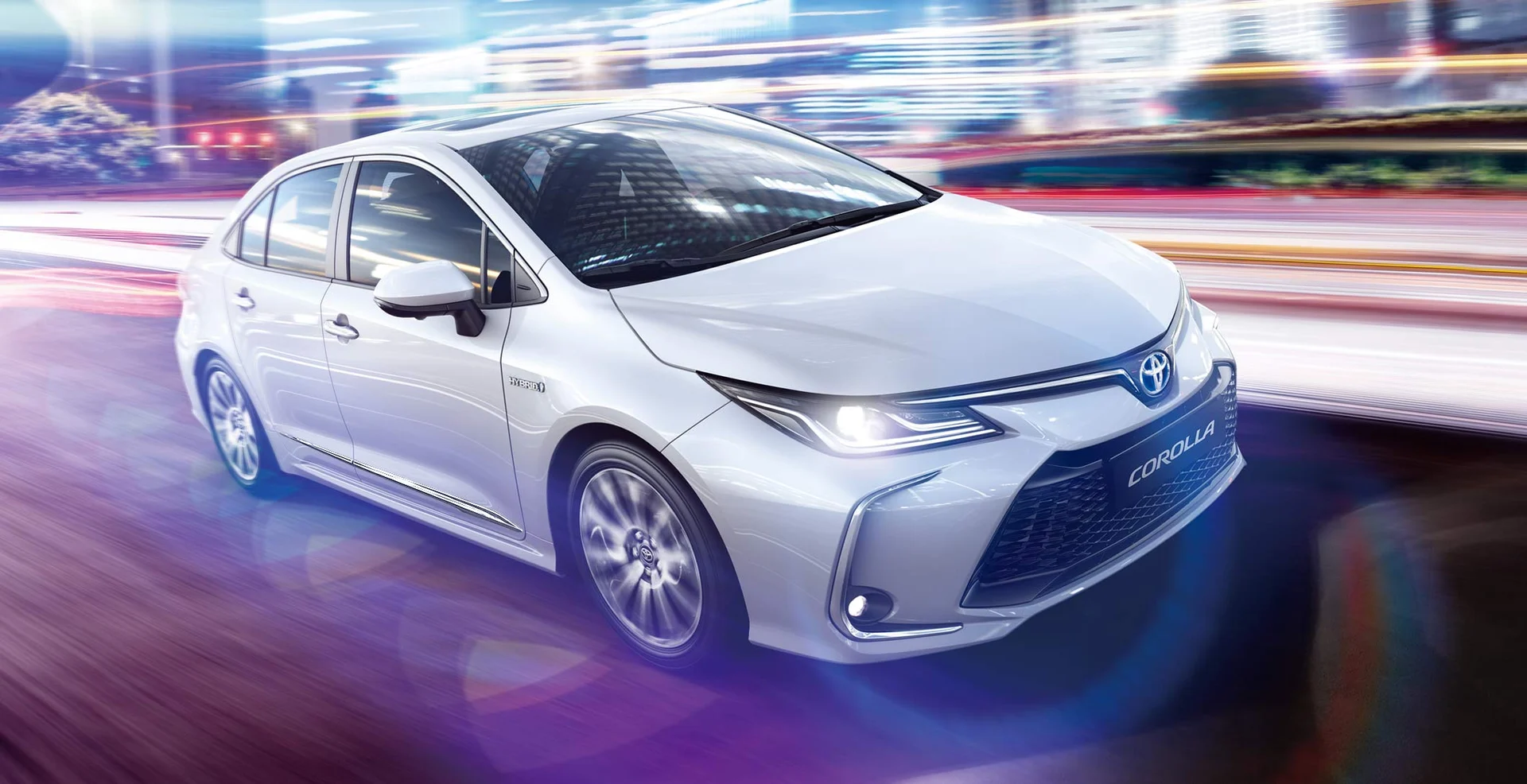
1.8L XLI Hybrid
The fundamentals of the automobile perfected.
Engine
1.8L, 4-Cylinder
Max Output
121 HP (Combined)/ 6000 RPM
Max Torque
142 Nm / 3600 RPM
Transmission
Electronic Continuous Variable Transmission (E-CVT)
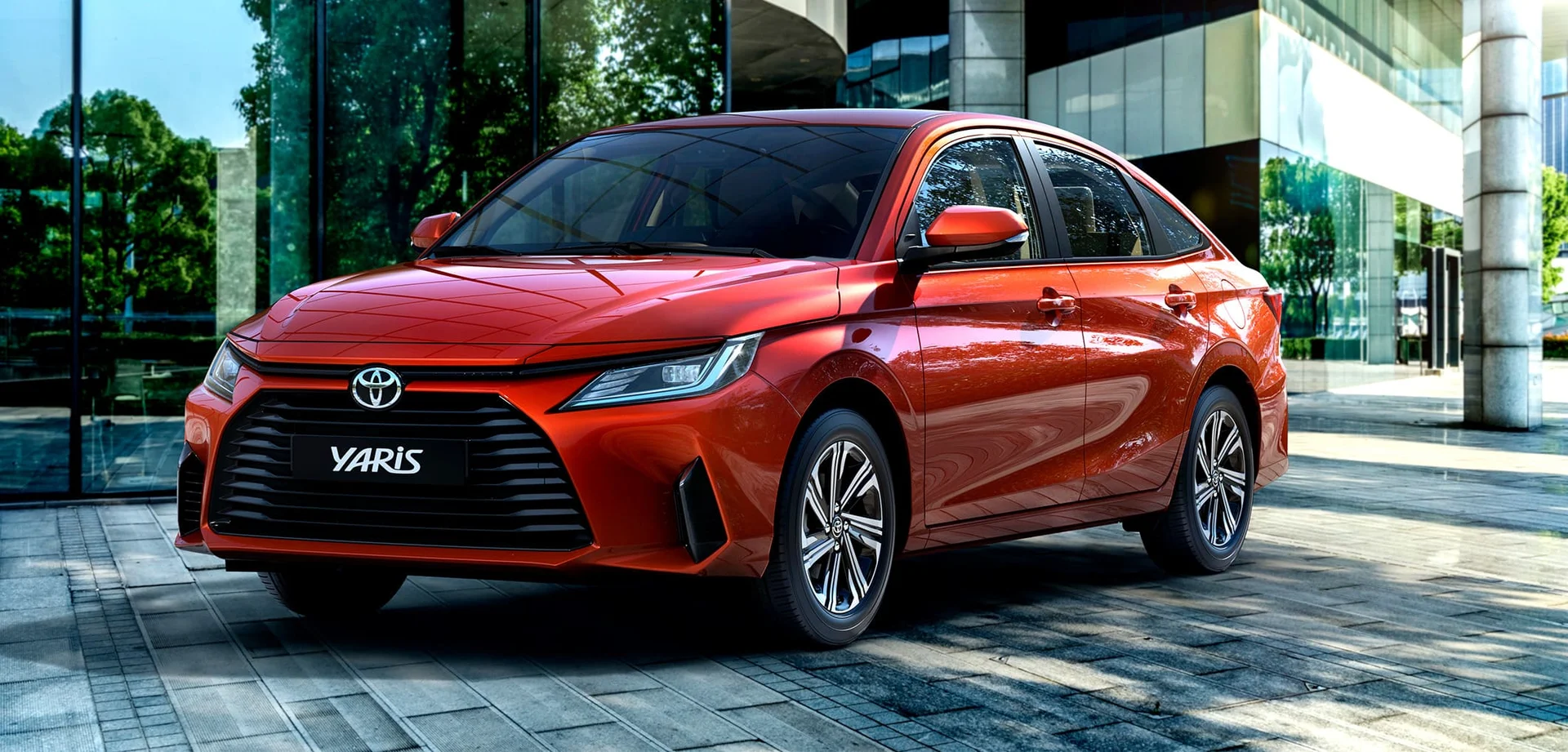
Yaris YX
“Proudful” design with a “Powerful x Elegant” expression that inspires self-esteem. Elegant and slanted fastback silhouette. Powerful design with an elongated cabin.Engine
16 Valve DOHC with Dual VVT-I
Max Output HP
97 HP/6,000 RPM
Max Output HP
122 Nm/4,200 RPM
Max Output HP
CVT (Constant Variable Transmission)